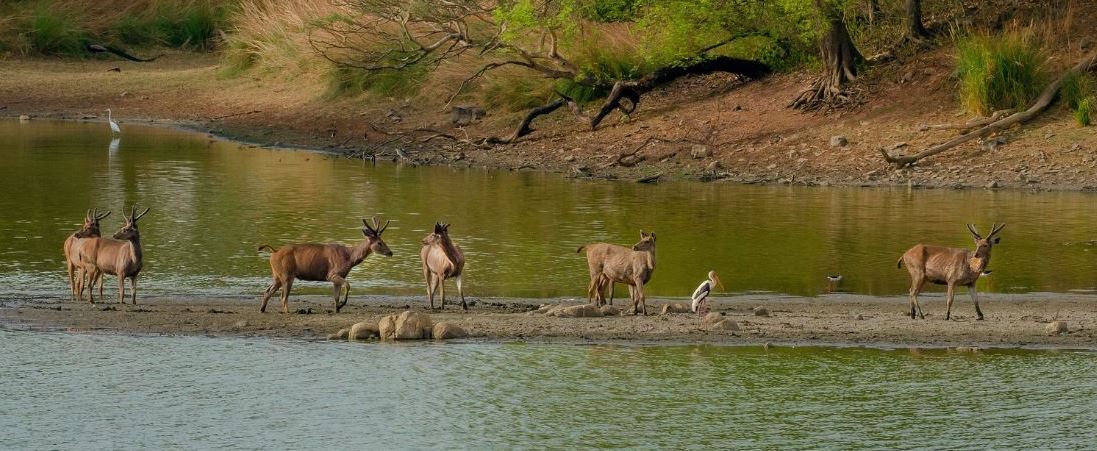
Kanha National Park is said to be one of the most beautiful forests in India. Located in the Mandla and Balaghat districts of Madhya Pradesh, the wildlife reserve houses a wide array of fauna and flora species. Safari activities are arranged by the forest department for wildlife enthusiasts and explorers to facilitate the opportunity of sighting wildlife in its true habitat.
Planning a jungle safari in Kanha National Park often brings one big question - which zone should you go to? It can feel a bit confusing at first, especially when all the safari zones ensure wildlife sightings and a thrilling forest experience. But the reality is, your choice of zone can shape your entire trip. So let’s break it down in a simple way and help you make the right call.
Before choosing, it’s important to understand how these two zones actually work.
Core Zone
This is the heart of the forest. It is a strictly protected area where human activity is limited. Because of this, wildlife density is higher here. Tigers, barasingha, and other animals are more frequently spotted in these zones. Safaris here are more regulated, and permits are limited.
Buffer Zone
The buffer area surrounds the core forest. It is designed to promote eco-tourism while reducing pressure on the main habitat. Wildlife is present here too, but sightings can be slightly less frequent compared to the core. The experience is more relaxed, and access is easier.
Quick Comparison
• Core Zone - Higher wildlife density, limited entry
• Buffer Zone - Flexible access, wider exploration area
Core vs Buffer Zone in Kanha: Key Differences That Matter
Here’s a clear breakdown to help you understand what really sets them apart.
1. Zones Overview
• Core Zones: Kanha, Kisli, Mukki
• Buffer Zones: Khapa, Khatia, Phen, Sijora
2. Tiger Sighting Probability
• Core: Higher chances due to dense wildlife population
• Buffer: Moderate chances, but still rewarding
3. Crowd Factor
• Core: More demand, can feel busy during peak season
• Buffer: Comparatively peaceful and less rushed
4. Entry Control & Permits
• Core: Permits sell out fast, advance booking required
• Buffer: Easier availability, even for last-minute plans
If you are planning your Kanha online safari booking, understanding these differences will help you avoid last-minute confusion and make a smarter decision.
Which Zone Should You Choose for Your Kanha Safari?
Now comes the most important part - choosing what suits you best.
• For First-Time Visitors - If this is your first jungle safari, the core zones gives you a more “complete” experience. The forest is richer, and chances of spotting big wildlife are better. It feels like the classic jungle you imagine.
• For Serious Wildlife or Tiger Enthusiasts - Core zones like Kanha, Kisli and Mukki are the top picks. These areas are known for consistent tiger movement. If spotting a tiger is your main goal, this is where you should focus.
• For Budget-Conscious Travellers - Buffer zones are a great option. They are more affordable and still offer a genuine wildlife experience. You might not see a tiger every time, but the forest, birds, and other animals make it worth it.
• For a Peaceful Safari Experience - If you prefer fewer crowds and a slower pace, buffer zones like Phen or Khapa are ideal. The experience feels more personal and less commercial.
At this stage, many visitors actively search for the Best Kanha Safari Zone to choose. Core vs Buffer, and the answer really depends on what you expect from your trip.
The Final Choice is Yours!
If your priority is wildlife sightings, especially tigers, go for the core zone. If you want a relaxed, budget-friendly, and less crowded safari, the buffer zone is a solid choice. In simple words, core zones offer higher excitement, while buffer zones offer more flexibility. Choose based on your travel style, and you won’t regret the experience.
Book Your Kanha Safari
Plan jeep safari, tour packages and jungle lodges with GTI Travels.